
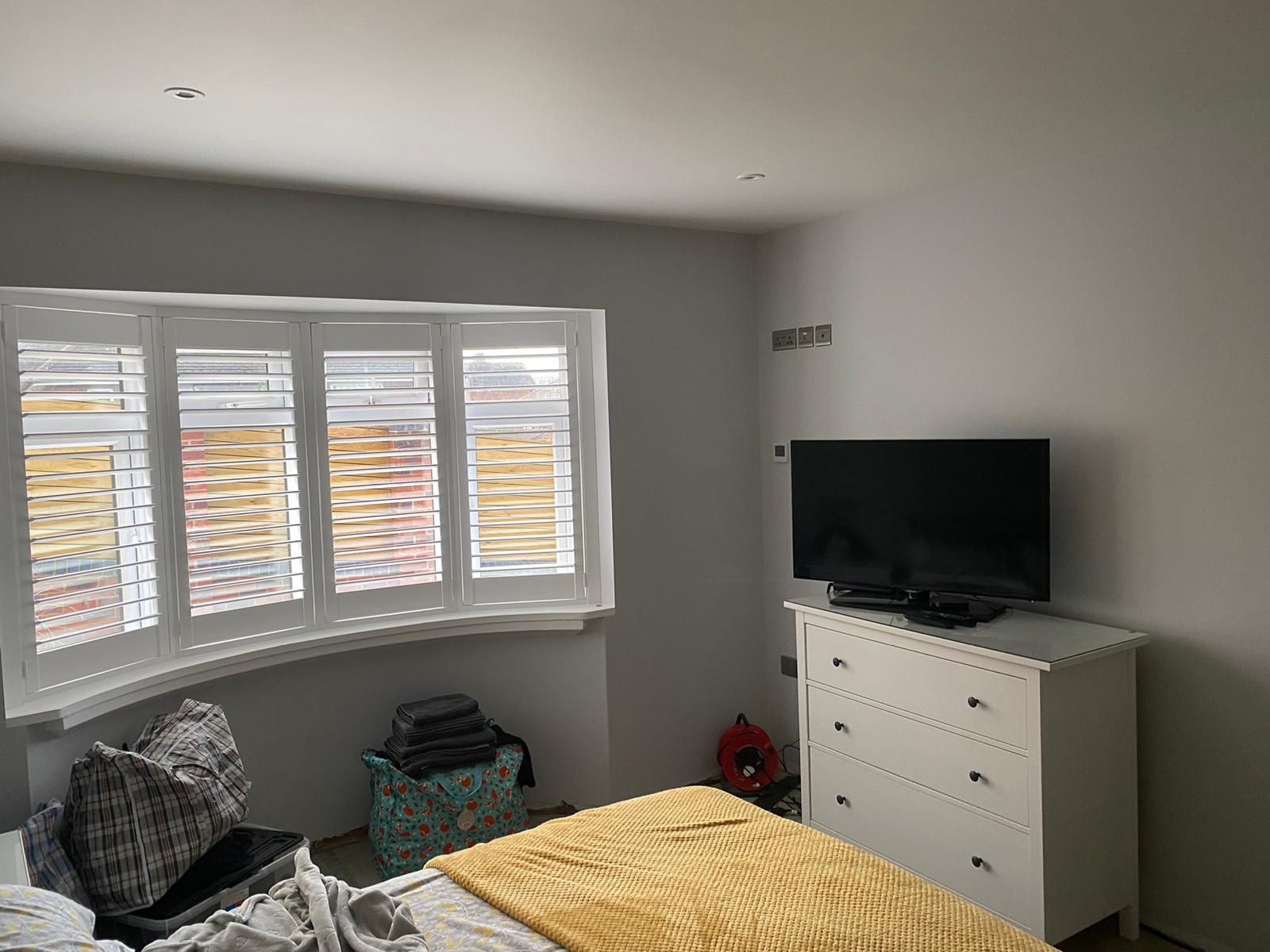
Dry Lining Services in Somerset & Dorset
Professional dry lining, plasterboard, dot and dab and partition wall systems across Somerset and Dorset. Fast, clean and effective internal wall finishing.
Dry Lining & Plasterboard Services
Dry lining is an efficient and versatile method of finishing internal walls and ceilings. Rather than applying wet plaster directly to the masonry, plasterboard sheets are fixed to the wall using adhesive, metal frames or timber studs, then either skimmed with finish plaster or taped and jointed for a smooth finish.
Render-It Ltd carries out all types of dry lining work including dot and dab adhesive bonding, metal and timber stud partition walls, ceiling systems, insulated plasterboard installation and the fitting of specialist boards for wet rooms, fire protection and acoustic separation.
Dry lining is often the preferred method for new build construction and for renovations where speed and minimising wet trades are a priority. It is also the most practical choice for adding internal wall insulation to older solid-wall properties.
Our Dry Lining Services
Dot & Dab Boarding
Plasterboard fixed directly to masonry walls using adhesive dabs — fast, clean and suitable for most modern properties.
Metal Stud Partitions
Lightweight metal frame partition walls for dividing rooms. Fast to erect, can incorporate insulation and services.
Timber Stud Partitions
Traditional timber stud partition walls, boarded and skimmed for a solid-feel internal dividing wall.
Insulated Plasterboard
Thermal insulation boards that add warmth to solid walls. Significant energy saving without external works.
Ceiling Boarding
Plasterboard ceilings for new builds, extensions and ceiling replacements, ready for skim or tape and joint finish.
Specialist Boards
Moisture-resistant, fire-rated and acoustic plasterboard for kitchens, bathrooms, party walls and commercial applications.
Dry Lining FAQs
What is dry lining?
Dry lining (or drylining) is a method of finishing internal walls and ceilings using plasterboard, rather than wet plaster applied directly to the masonry. It is faster and less messy than traditional plastering and can provide thermal and acoustic benefits.
What is the difference between dot and dab and traditional plastering?
Dot and dab (also called drywall adhesive bonding) involves fixing plasterboard directly to masonry walls using blobs of adhesive. Traditional plastering involves applying wet plaster coats directly to the wall. Dot and dab is quicker and creates a surface that can be skimmed or taped and jointed to finish.
Is dry lining suitable for older properties?
Dry lining can be used in older properties but care must be taken in solid wall buildings that require breathability. Standard plasterboard is not breathable — in some cases, specialist vapour-permeable boards or traditional lime plaster may be more appropriate. We will advise on the best system for your property.
Can dry lining add insulation to my walls?
Yes — insulated plasterboard systems (IWI) combine a plasterboard facing with a layer of insulation on the back, and are an effective way of adding thermal insulation to the inside face of solid external walls without planning permission in most cases.
Get a Free Dry Lining Quote
Call 07368 944056 or fill in the form.