
Lime Rendering Specialists in Somerset
Traditional, breathable lime render for heritage properties, period cottages and listed buildings across Somerset and Dorset. Preserving buildings the right way.
What is Lime Rendering?
Lime rendering is one of the oldest and most effective methods of protecting external walls. It uses a mix of lime, sand and water — sometimes with natural fibres — to create a durable, flexible and breathable external finish. Unlike modern cement renders, lime works in harmony with traditional building materials such as stone, brick and cob.
The key characteristic of lime render is its breathability. Old buildings were designed to absorb and release moisture — they 'breathe'. Applying a non-breathable cement render traps moisture inside the wall, which leads to damp, frost damage, and in serious cases, structural problems. Lime allows moisture to pass through and evaporate naturally, keeping your walls healthy and dry.
At Render-It Ltd, we use both hydraulic lime (NHL) and lime putty systems, selecting the right product for each project based on the building type, exposure level and the existing substrate. We're experienced in working with all traditional building materials found throughout Somerset and Dorset.
Why Choose Lime Render?
Essential for Heritage Properties
Lime is the correct material for stone and brick buildings built before the 1920s. It flexes with natural movement, preventing cracking and damage.
Required for Listed Buildings
Listed building consent often requires breathable, traditional materials. Lime render satisfies planning requirements and conservation guidelines.
Prevents Damp Problems
By allowing moisture to escape naturally, lime render prevents trapped damp — one of the most common and costly problems in old properties.
Flexible & Crack-Resistant
Lime is softer and more flexible than cement. It moves with the building as it settles and expands, reducing the risk of cracking.
Eco-Friendly & Sustainable
Lime is a natural, low-carbon material. It absorbs CO₂ as it cures through carbonation, making it one of the most sustainable building materials available.
Repairable & Long-Lasting
Individual sections of lime render can be repaired without affecting the rest of the wall. With proper maintenance, a lime render finish can last for decades.
Our Lime Rendering Process
Site Survey & Assessment
We visit your property to assess the existing substrate, identify any underlying damp or structural issues, and recommend the most appropriate lime system for your building.
Surface Preparation
All existing failed render, loose material and contaminants are removed. The substrate is dampened down and a bonding treatment applied where required.
Scratch Coat Application
We apply the first coat of lime render — the scratch coat — and key it to provide a mechanical bond for subsequent coats.
Float Coat
Once the scratch coat has cured sufficiently, the float coat is applied and brought to a flat, even surface ready for the final finish.
Finish Coat
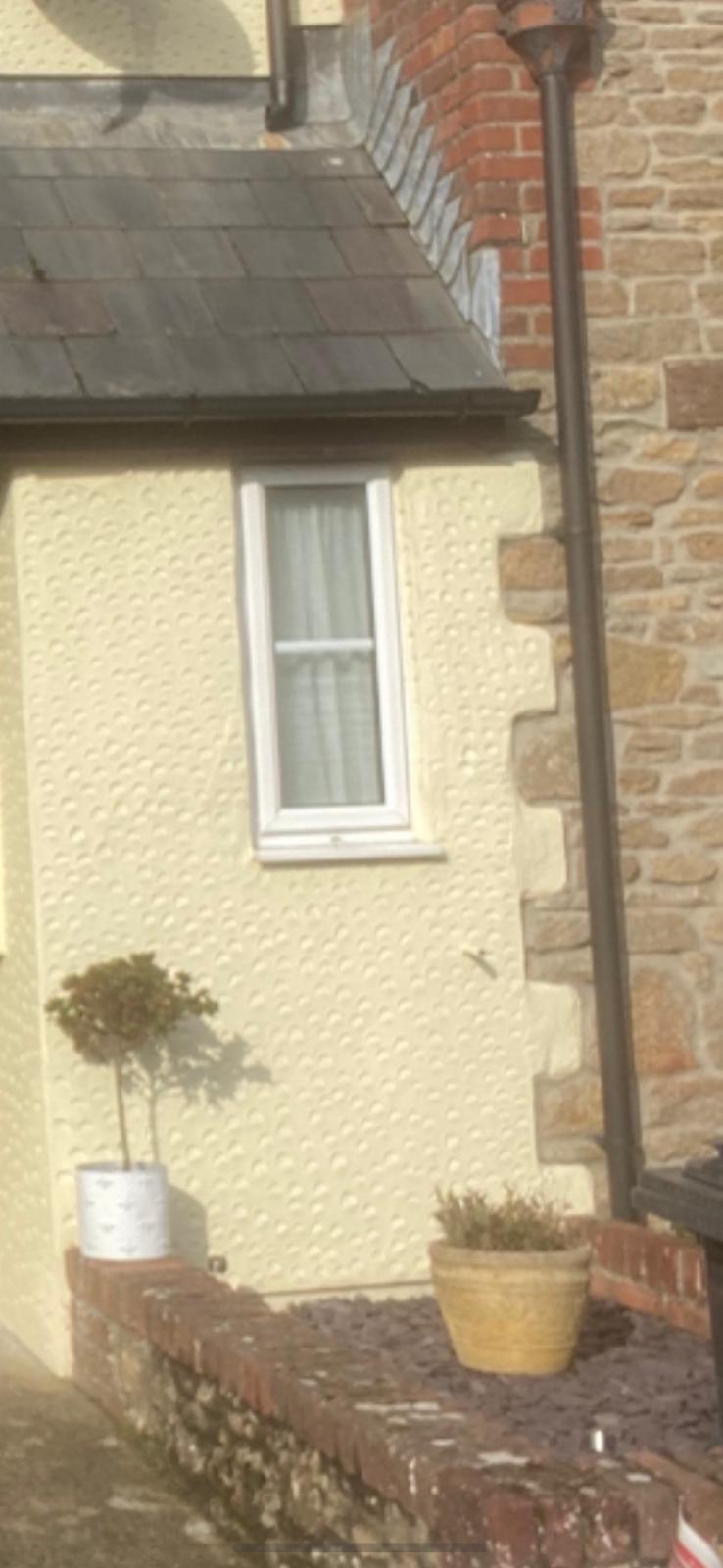
The final lime finish coat is applied to achieve the desired texture — from smooth lime putty to rustic roughcast or pebbledash finishes.
Curing & Aftercare
Lime needs time to cure slowly. We advise on protecting new render from frost and direct sun, and provide guidance on long-term maintenance.
Lime Render Applications
Listed Buildings
Conservation-compliant lime render that meets planning and listed building requirements.
Period Cottages
Traditional lime finishes to complement the character of Somerset stone and cob cottages.
Farmhouses & Barns
Robust lime systems suitable for exposed rural locations across Somerset and Dorset.
Render Repairs
Patch repairs and full re-renders to match existing lime finishes on historic properties.
Lime Rendering FAQs
What is lime rendering?
Lime rendering is a traditional external wall finish made from lime putty or hydraulic lime mixed with sand and water. Unlike cement-based renders, lime is breathable, allowing moisture to pass through the wall and escape as vapour, which is essential for old stone and brick buildings.
Is lime render suitable for listed buildings?
Yes — lime render is the preferred choice for listed buildings and buildings in conservation areas. Planning authorities typically require breathable materials like lime on heritage properties. Using modern cement render on old buildings can trap moisture and cause serious damage.
How long does lime render last?
When correctly applied and maintained, lime render can last 20–30 years or more. It is also easier to repair than cement render — small cracks can be filled and repointed without disturbing the surrounding area.
How much does lime rendering cost in Somerset?
Lime rendering costs vary depending on the size and condition of the property, the type of lime system used, and the accessibility of the walls. Contact Render-It Ltd on 07368 944056 for a free, no-obligation site visit and written quotation.
Lime Rendering Across Somerset & Dorset
Get a Free Lime Rendering Quote
Call us on 07368 944056 or fill in the form below.